Electric Cars: The Basics
For those of you new to zero-emission electric driving, we recommend a read of the following articles:
Different Types Of Electric Cars: The Complete Electric Car Buying Guide For India
Electric Cars: The Basics For those of you new to zero-emission electric driving, we recommend a read of the following articles: Sign up to the newsletter Electric Cars And…
Read More
What Is Regenerative Braking In Electric Cars: The Basics: The Complete Electric Car Buying Guide For India
Electric Cars: The Basics For those of you new to zero-emission electric driving, we recommend a read of the following articles: Sign up to the newsletter Electric Cars And…
Read More
The History Of Electric Cars and Vehicles: Are EVs A New Invention?
Electric Cars: The Basics For those of you new to zero-emission electric driving, we recommend a read of the following articles: Sign up to the newsletter Electric Cars And…
Read More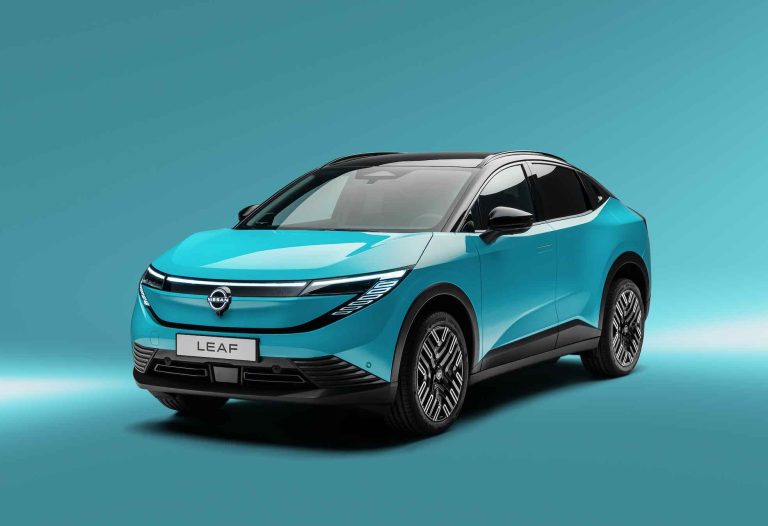
Electric Cars and Vehicles: Pros, Cons And Myths: The Complete Electric Car Buying Guide For India
Electric Cars: The Basics For those of you new to zero-emission electric driving, we recommend a read of the following articles: Sign up to the newsletter Electric Cars And…
Read More
Electric Cars Range: WLTP: The Basics: The Complete Electric Car Buying Guide For India
Electric Cars: The Basics For those of you new to zero-emission electric driving, we recommend a read of the following articles: Sign up to the newsletter Electric Cars And…
Read MoreSign up to the newsletter
Electric Cars And Car Wash
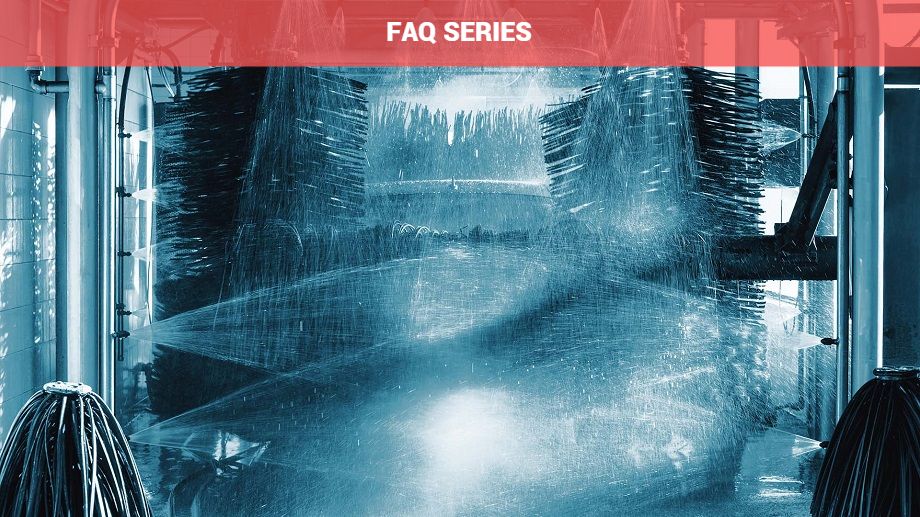
It does not matter if you drive a plug-in hybrid electric vehicle (PHEV) or a battery-electric vehicle (BEV). Both types of electric vehicles (EVs) can be washed the same way, as conventional internal combustion engine (ICE), petrol and diesel vehicles. Yes, a pure electric car can be washed either at an automatic car wash (rollovers, tunnels, jet wash) or via a manual car wash.
Like any other type of vehicle, an electric car is manufactured and tested under various conditions, to assess the vehicle safety. Water ingress is one of the criteria tested in new vehicles. Water ingress is not limited to just a car wash. Water ingress can also occur in certain weather conditions, like, heavy rainfall, flooding etc. All cars, including, electric cars, are developed and manufactured to mitigate the risks associated with water ingress.
Apart from it being safe to wash an electric car, it is also worth noting that washing an electric car does not cause damage to the onboard EV battery or electrical system. Of course, one needs to follow the recommended guidelines for washing a vehicle, from both, the automotive manufacturer and the car wash operator.
In most EVs, the onboard EV battery is usually placed on the floor of the vehicle, to increase the interior cabin space and improve the vehicle centre of gravity. Also, the battery cells are placed and sealed in waterproof containers. All manufactures are obliged to comply with the specific IP (Internal Protection) rating standards in use for EV batteries and other electrical components. Examples of IP ratings relevant to electric driving, are IP65 and IP66. In such ratings, the component offers complete dust protection i.e. no ingress of dust, and protection from water jets, like hose pipes and more powerful water jets.
Below are some recommendations for washing an electric car. Very much the same as washing a petrol or diesel vehicle. These recommendations also apply to electric vans. We recommend that in-between car washes, always keep the electric vehicle as clean as possible, in particular, the windshields, the side-view mirrors etc. Improved visibility is key in reducing risks associated with driving!
Top Tips: Washing An Electric Car
| Top Tips: |
|---|
| Car manual: always read the manufacturer’s supplied electric car manual, in particular, guidelines on cleaning and maintenance. |
| Car washing guidelines: always read the safety guidelines from the operator of the car wash. |
| EV inlet port: make certain the electric car inlet charging port is properly closed. |
| Windscreen wipers: disable all automatic front and rear windscreen wipers. |
| Wing mirrors: fold the wing mirrors or the side-view cameras. |
| EV battery: make certain the EV has sufficient battery charge. You do not want to be stranded during the car wash! |
| Doors & windows: make certain all doors, windows and the boot are closed appropriately. |
Electric Driving: Top 5 EV Jargons For India
Despite the increased visibility of EVs in India, the vocabulary (jargon) used in electric driving is still new to consumers. In fact, for many, it can seem daunting and confusing. We have therefore put below some of the more commonly used terms in the EV glossary, to give you an easier introduction to electric driving in India!
| EV Glossary: Top 5 | |
|---|---|
| AC/DC (Alternating Current/ Direct Current): | What is AC/ DC current? AC and DC describe the type of ‘current flow’ in a circuit. Put simply, most household appliances, like the kettle, toaster and television, use AC, while the batteries used for remotes, flashlights etc use DC. In fact, all power supplied by the grid to a dwelling or building is AC power. Therefore, an electric car charging at home will use AC power. AC is a form of current invented by Nicholas Tesla that reverses its direction of movement constantly back and forth within the circuit, by changing its magnitude and polarity (between positive and negative), at regular intervals. Such current can easily be transformed from higher voltage to lower voltage. The primary difference between AC and DC is that, DC flows only in one direction. |
| DoD (Depth-Of-Charge): | What is Depth-Of-Charge? A battery’s Depth-of-Charge is the level of discharge of a battery. As you drive an EV, the battery is discharged. The DoD indicates the % that has been discharged relative to the capacity of a battery. Conversely, a State-of-Charge (SOC), is the percentage of capacity still available in a battery. If you use 25% of your EV battery capacity, then the DoD is 25% and the SOC is 75%. It is recommended not to fully discharge an electric car battery, as this reduces the lifespan of a battery. Automotive manufacturers publish recommend DoD levels for charging, but a charging range between 20% to 80% is ideal. |
| Earthed/ Grounded: | Users of electrical equipment are protected from electric shocks through a process called earthing. If there is a fault in the electric system, a user can be subject to an electric shock, as the electricity uses part of the body to travel. Earthing protects the user by proving a path for the fault current to reach the earth. As an example, the commonplace household 3-plug pin, has one wire that connects to the earth. Earthing also protects the electrical apparatus from voltage surges etc. |
| What is CCS charging? | It is a DC (direct current) rapid charging standard/ protocol for charging electric cars. It was introduced in 2011. The CCS standard includes the Type 2 (IEC 62196) connectors, along with two DC connectors (pins), in a single connector pattern (CCS Combo 2) in the electric vehicle (EV), with a total of nine pins. The two DC connectors (pins) are at the bottom, and enable faster DC charging and communication. The communication is between the EV charger and the electric car. Communication is via Pulse Width Modulation (PWM). |
| What is a Smart EV Charger? | A smart EV charger allows users to remotely monitor, manage and control the charging session. Though smart charging offers a number of benefits, the two key benefits are: energy use optimisation and cost efficiency. Smart chargers optimise the charging session and manages the load safely. A smart EV charger monitors electrical consumption and adjusts the charging session based on the available energy (dynamic load balancing). Smart charging also allow load balancing for locations with multiple EV charging stations. For such EV charging destinations, an operator can choose how best to distribute the available energy capacity across all active EV chargers. |
While e-zoomed uses reasonable efforts to provide accurate and up-to-date information, some of the information provided is gathered from third parties and has not been independently verified by e-zoomed. While the information from the third party sources is believed to be reliable, no warranty, express or implied, is made by e-zoomed regarding the accuracy, adequacy, completeness, legality, reliability or usefulness of any information. This disclaimer applies to both isolated and aggregate uses of this information.
Related articles
What Is Vehicle-To-Home (V2H) Bidirectional Charging?: The Complete Electric Car Buying Guide For India
Electric Cars: The Basics For those of you new to zero-emission electric driving, we recommend a read of the following articles: Sign up to the newsletter Electric Cars And…
Read More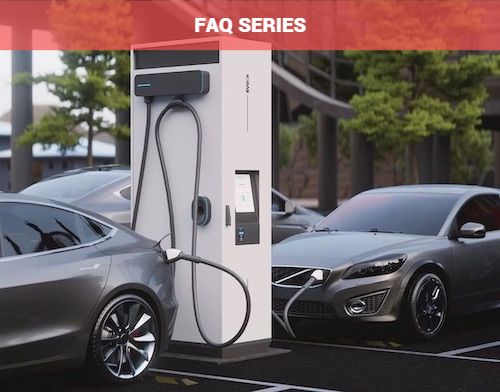
An Introduction To AC And DC Electric Car Charging: The Complete Electric Car Buying Guide For India
Electric Cars: The Basics For those of you new to zero-emission electric driving, we recommend a read of the following articles: Sign up to the newsletter Electric Cars And…
Read More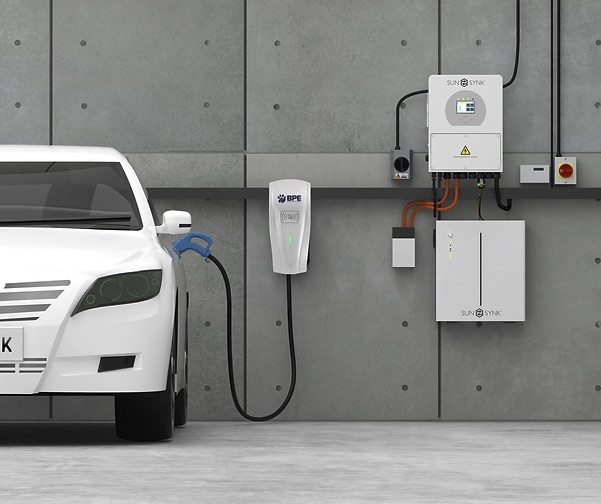
Battery Storage & Electric Car Charging: The Complete Electric Car Buying Guide For India
Electric Cars: The Basics For those of you new to zero-emission electric driving, we recommend a read of the following articles: Sign up to the newsletter Electric Cars And…
Read More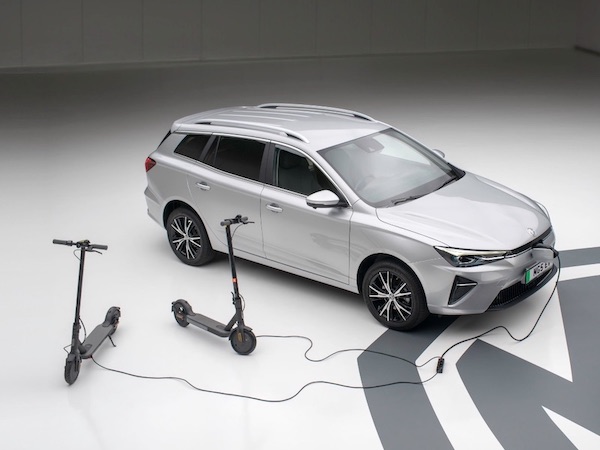
Electric Cars And Vehicle-To-Load Charging (V2L): The Benefits: The Complete Electric Car Buying Guide For India
Electric Cars: The Basics For those of you new to zero-emission electric driving, we recommend a read of the following articles: Sign up to the newsletter Electric Cars And…
Read More
Benefits Of Green Energy and Electric Driving : The Complete Electric Car Buying Guide For India
Electric Cars: The Basics For those of you new to zero-emission electric driving, we recommend a read of the following articles: Sign up to the newsletter Electric Cars And…
Read More