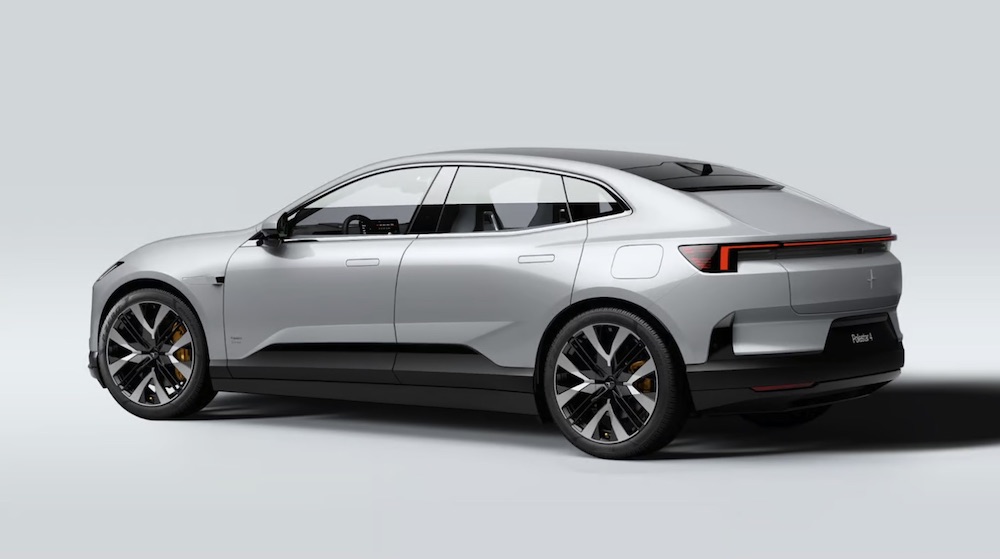


Electric Cars: The Basics
For those of you new to zero-emission electric driving, we recommend a read of the following articles:
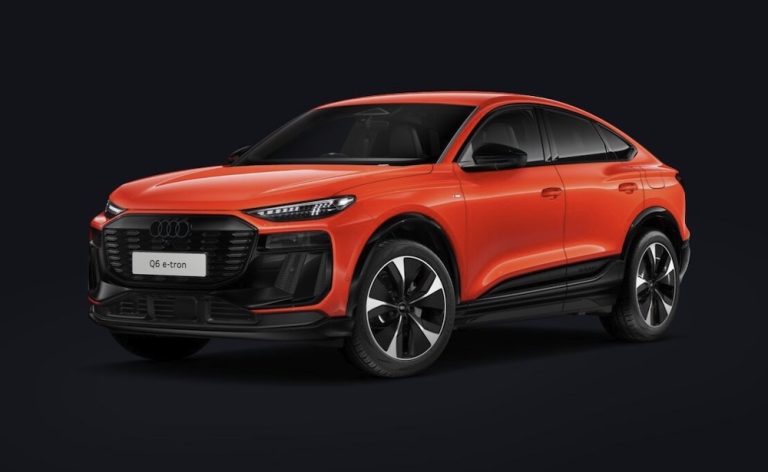
What Is Regenerative Braking In Electric Cars: The Basics: The Complete Electric Car Buying Guide For India
Electric Cars: The Basics For those of you new to zero-emission electric driving, we recommend a read of the following articles: Sign up to the newsletter The Polestar 4…
Read More
The History Of Electric Cars and Vehicles: Are EVs A New Invention?: The Complete Electric Car Buying Guide For India
Electric Cars: The Basics For those of you new to zero-emission electric driving, we recommend a read of the following articles: Sign up to the newsletter The Polestar 4…
Read More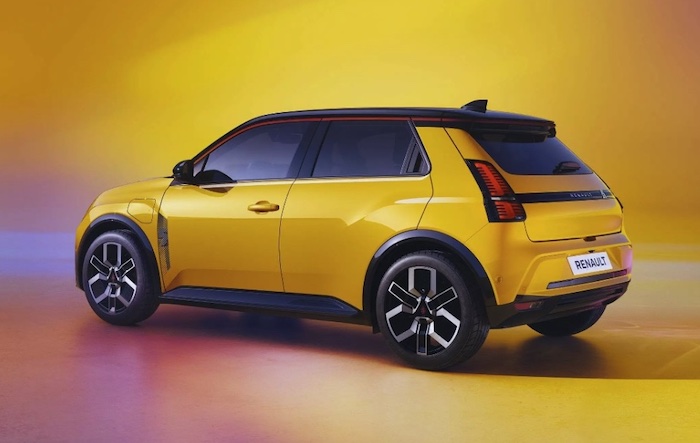
Different Types Of Electric Cars: The Complete Electric Car Buying Guide For India
Electric Cars: The Basics For those of you new to zero-emission electric driving, we recommend a read of the following articles: Sign up to the newsletter The Polestar 4…
Read More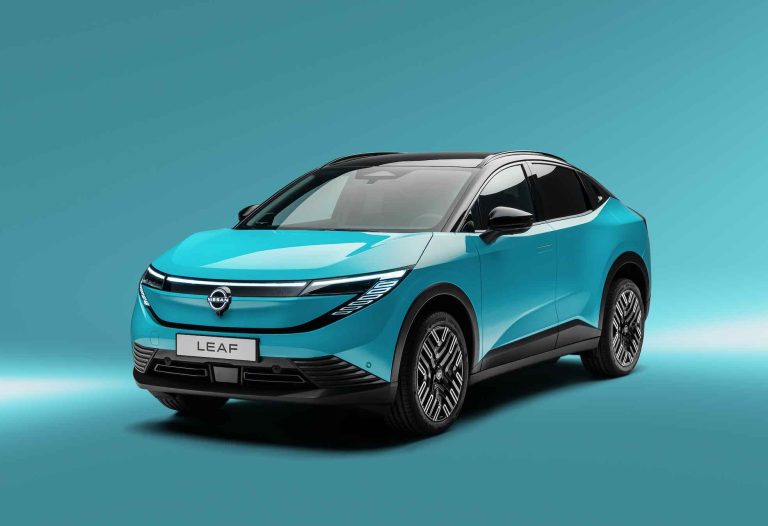
Electric Cars and Vehicles: Pros, Cons And Myths: The Complete Electric Car Buying Guide For India
Electric Cars: The Basics For those of you new to zero-emission electric driving, we recommend a read of the following articles: Sign up to the newsletter The Polestar 4…
Read More
Electric Cars Range: WLTP: The Basics: The Complete Electric Car Buying Guide For India
Electric Cars: The Basics For those of you new to zero-emission electric driving, we recommend a read of the following articles: Sign up to the newsletter The Polestar 4…
Read MoreSign up to the newsletter
The Polestar 4 Electric SUV
Polestar is a high performance Swedish automotive brand established by Volvo in 1996. Polestar is headquartered close to Gothenburg, Sweden. The genesis of the Polestar brand is linked to motorsport, in particular, Flash Engineering, a Swedish motorsport team. Flash Engineering was rebranded to Polestar Racing in 2005.
Polestar was acquired by Volvo Cars in 2015, with the brand being repositioned as an EV brand from 2017. Volvo Cars was acquired by Geely Holding Group in 2010. Geely, a Chinese automotive behemoth also owns Lotus Cars, well known for its luxury sport cars. The company’s portfolio of battery-electric vehicles (BEVs) include:
- All-electric Polestar 2 (BEV)
- All-electric Polestar 3 (BEV)
- All-electric Polestar 4 (BEV)
Yes, you heard it correctly. The latest battery-electric vehicle (BEV) from Polestar, the all-electric Polestar 4 coupé-SUV has no rear window. It is an indication of things to come, as electric car manufacturers continue to seek higher aerodynamic efficiency, to maximise the electric range of an EV. In the case of the Polestar 4, the manufacturer has embedded a rear view wide-angled camera that feeds into the rear view mirror. Though it may feel unnatural at first, it will not take long to get used to!
The mid-sized coupé styled Polestar 4 has a 0.21 Cd aerodynamic co-efficient. By way of comparison, the sleek all-electric Hyundai IONIQ 6 also has an 0.21 Cd co-efficient. Given the size and weight of the onboard lithium-ion EV battery, increasing efficiency via exterior styling or reducing the weight of the electric vehicle (EV), is imperative in achieving maximum range. A
s an example, the pure electric Polestar 4 has frameless windows and even the wide-angle side mirrors are frameless, all design attributes that assist in lowering the total weight of the EV. To further enhance the aerodynamic efficiency of the electric vehicle, Polestar has incorporated flush door handles (becoming popular across automotive manufacturers). Every saving in weight or reduction in drag, increases the efficiency of the EV!
The Polestar 4 is manufactured in China and also uses the Sustainable Experience Architecture (SEA) modular electric vehicle (EV) platform. The Smart #3 electric car also use the same platform. The five-seat Polestar 4 (D-Segment) was unveiled in April 2023 at the Auto Shanghai. Production commenced in November 2023. The Polestar 4 is positioned in between the all-electric Polestar 2 and the all-electric Polestar 3. The Polestar 4 is the fourth BEV from the automotive company.
The SUV coupé is really a cross between an SUV and a saloon! In terms of length, the Polestar 4 is 4.84m in length. In comparison, the larger Polestar 3 is 4.9m and the smaller Polestar 2 is 4.6m long. In terms of height, the Polestar 4 is 1.53m, while the Polestar 3 and Polestar 2 are 1.61m and 1.47m, respectively. The all-electric Ford Capri, another competitor to the Polestar 4 is 4.63m in length and 1.62m in height.
The Polestar 4 battery-electric vehicle (BEV) is available in two variants, the rear-wheel drive (RWD) Long Range Single Motor (1 x 200 kW permanent magnetic motor), and the all-wheel drive (AWD) Long Range Dual Motor (2 x 200 kW permanent magnetic motor). The Single Motor delivers up to 200 kW/ 268 bhp (torque: 253-lbf-ft) and can achieve 0-100 km/h in 7.1 seconds. The Dual motor delivers up to 400 kW/ 536 bhp (torque: 506-lbf-ft) and can achieve 0-100 km/h in 3.8 seconds. Both variants have a top speed up to 200 km/h.
Both variants incorporate a 400-V 100 kWh Lithium-ion onboard EV battery. The entry-level Single Motor has a claimed range up to 620 km (WLTP) on a full charge, while the higher performance Dual Motor has a claimed range up to 590 km (WLTP). Of course, there will be a difference between the claimed WLTP range and the real-world e-range, impacted by a number of factors like weather, road conditions, driving style, payload etc.
Expect the Single Motor to deliver a real-world electric range closer to 530 km, and the Dual Motor to deliver closer to 500 km. Both variants offer a zero-tailpipe emission electric range sufficient for most day-to-day driving needs and long distance travel! Of course, EV drivers can also take advantage of regenerative braking and the heat pump to further maximise the e-range!
The manufacturer offers a three-phase (11 kW) onboard AC charger as standard, with a three-phase 22 kW onboard AC charger with the Plus pack. For homes powered by single-phase power supply, AC charging will be limited up to 7 kW. For homes powered by three-phase power supply and at public and semi-public AC charging points, the EV can be charged up to either 11 kW AC or 22 kW AC, depending on the variant. At 11 kW AC, the pure electric Polestar SUV can be fully charged (0%-100%) in 11 hours. At 22 kW AC it will take 5.5 hours to achieve a full charge.
In general, for the long-term maintenance and performance of the EV battery, we recommend not depleting the battery level to 0%. Best to top up on a regular basis, which ensures the battery is always charged when required and also best for the long-term health of the onboard EV battery.
With the significant increase of public DC rapid and ultra-rapid DC EV charging infrastructure, it is now becoming more common for pure electric cars to offer DC charging capability up to 350 kW DC. The Polestar 4 offers up to 200 kW DC charging capability as standard on both the variants. The BEV can be charged 10%-80% in 30 minutes. Just enough time for a lunch break! We recommend charging up to 80% when using DC charging, as it charges much faster up to 80%.The remaining 20% charges much slower, given the inbuilt EV battery protection mechanisms. Yes, it is safe to charge up to 100%!
In terms of technology, much is on offer, to include: 10.2” driver display, 15.4” centre display, 8.9” rear-view digital mirror, 14.7” Head-up display (with Plus pack) and more! The EV also has a number of safety systems. Some of these include: ADAS: advanced driver assistance system, electronic stability control, regenerative stability control, direct traction control system, pilot assist, lane change assist, intelligent speed assist, forward collision warning, lane keeping aid, lane departure warning, blind spot information with steer assist and more. Some of these features come as standard, while some are an optional extra. The Polestar 4 has yet to be awarded its NCAP Rating. We expect it to be Five-Star.
Despite the sloping coupé roofline, the Polestar 4 feels spacious, enhanced by the panoramic glass roof, which also incorporates UV- and noise-reducing laminated glass. Polestar offers an option to also have a electrochromic film for the panoramic glass, enabling it to be turned opaque when required due to glare. The five-door five-seat EV has a frunk (15 L) and a 526 L boot (expandable to 1,536 litres by folding the seats down). The EV offers ample legroom and headroom. In terms of exterior styling, the EV has loads of appeal!
As is now the case with most EV manufacturers, materials for the interior are carefully sourced to reduce the environmental footprint of the vehicle. Polestar uses 100% recycled PET bottles, renewable vinyl and recycled polyester textile for the upholstery. The EV also has electric recliner seats in the rear and massage function. As has been the case with Polestar electric cars, the interior is minimalist, a trend now adopted also by a number of other EV manufacturers.
Bottom-line, electric driving is good for the environment and the wallet!
| PROS | CONS |
|---|---|
| Good EV battery size and zero-tailpipe emission electric range | DC charging limited to 200 kW DC |
| Available as both rear-wheel drive (RWD) and all-wheel drive (AWD) | Limited physical controls |
| 11 kW onboard AC charger as standard | Lack of rear view glass |
Gallery
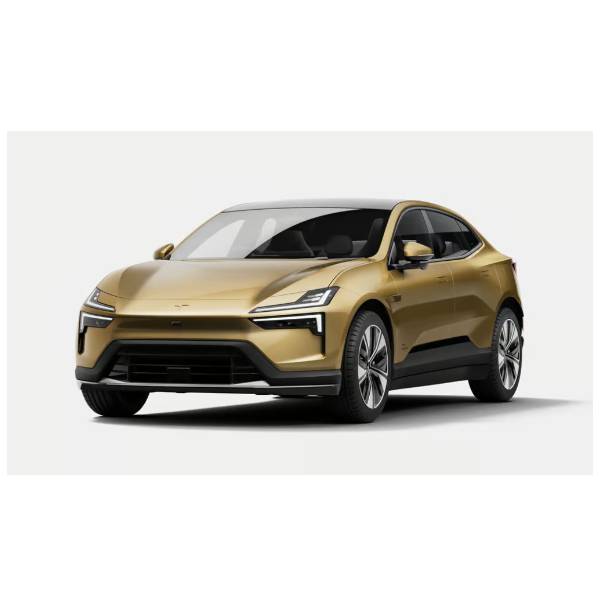
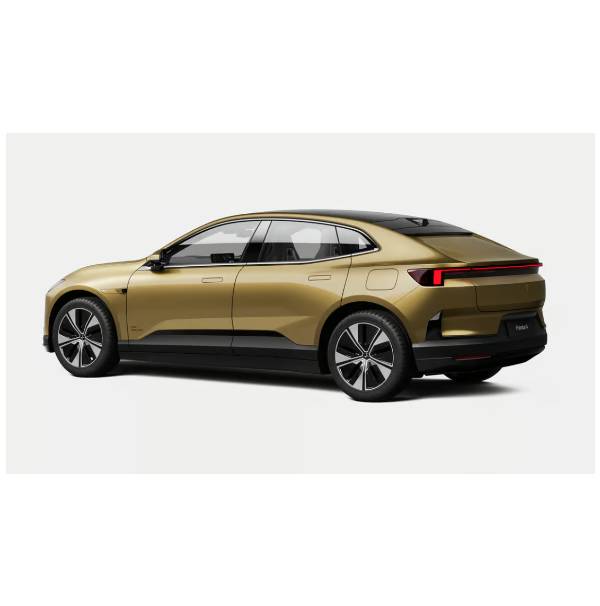
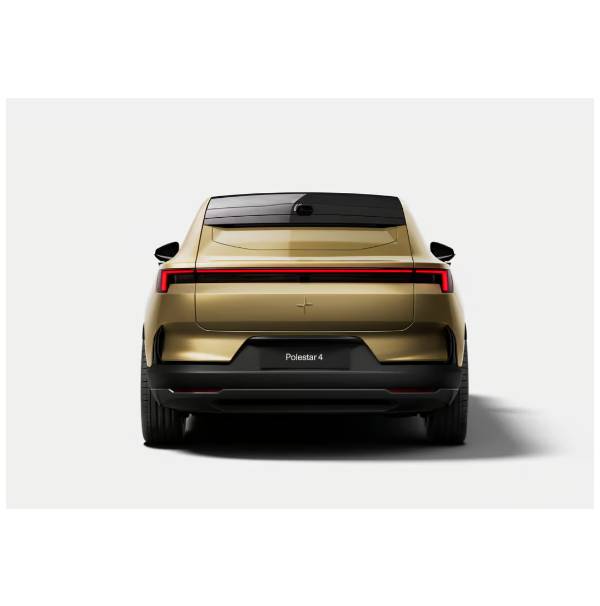
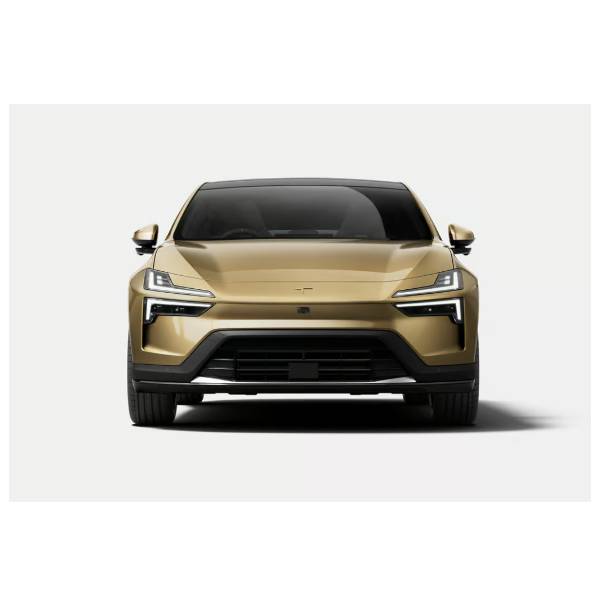
The Polestar 4 SUV (credit: Polestar)
| At A Glance | |
|---|---|
| EV Type: | Battery-Electric Vehicle (BEV) |
| Body Type: | SUV |
| Engine: | Electric |
| Available In India: | No |
| Trims (2 Options) |
|---|
| Polestar 4 Long range Single motor (from ₹ N/A) |
| Polestar 4 Long range Dual motor (from ₹ N/A) |
| EV Battery & Emissions | |
|---|---|
| EV Battery Type: | Lithium-ion |
| EV Battery Capacity: | Available in one battery size: 100 kWh |
| Charging: | 200 kW DC Rapid Charging (10%-80%: 30 mins). Onboard charger: 11 kW AC (0%-100%: 11 hrs)/ 22 kW AC (0%-100%: 5.5 hrs) |
| Charge Port: | Type 2 |
| EV Cable Type: | Type 2 |
| Tailpipe Emissions: | 0g (CO2/km) |
| EV Battery Warranty: | 8 years or 160,000 km (70% State-of-Health (SoH)) |
| Charging Times (Overview) | |
|---|---|
| Slow charging AC (3 kW – 3.6 kW): | 6 – 12 hours (dependent on size of EV battery & SOC) |
| Fast charging AC (7 kW – 22 kW): | 3 – 8 hours (dependent on size of EV battery & SoC) |
| Rapid charging AC (43 kW): | 0-80%: 20 mins to 60 mins (dependent on size of EV battery & SoC) |
| Rapid charging DC (50 kW+): | 0-80%: 20 mins to 60 mins (dependent on size of EV battery & SoC) |
| Ultra rapid charging DC (150 kW+): | 0-80% : 20 mins to 40 mins (dependent on size of EV battery & SoC) |
| Tesla Supercharger (120 kW – 250 kW): | 0-80%: up to 25 mins (dependent on size of EV battery & SoC) |
- Note 1: SoC: state of charge
| Dimensions | |
|---|---|
| Height (mm): | 1534 |
| Width (mm): | 2008 |
| Length (mm): | 4840 |
| Wheelbase (mm): | 2999 |
| Turning Circle (m): | 11.64 |
| Boot Space (L): | 526 |
| Frunk (L): | 15 |
| Long Range Single Motor | |
|---|---|
| EV Battery Capacity: | 100 kWh |
| Pure Electric Range (WLTP): | 620 km |
| Electric Energy Consumption (kWh/100km): | 17.8 – 18.1 |
| Charging: | 200 kW DC Rapid Charging (10%-80%: 30 mins). Onboard AC charger: 11 kW AC (0%-100%: 11 hrs)/ 22 kW AC (0%-100%: 5.5 hrs) |
| Top Speed: | 200 km/h |
| 0-100 km/h | 7.1 seconds |
| Drive: | Rear-wheel drive (RWD) |
| Electric Motor (kW): | 200 |
| Horsepower (bhp): | 268 |
| Torque (lbf-ft): | 253 |
| Transmission: | Automatic |
| Seats: | 5 |
| Doors: | 5 |
| Unladen Weight (kg): | N/A |
| Towing Capacity (Braked/Unbraked)/ (kg): | 1,500 |
| Colours: | 6 |
| NCAP Safety Rating: | N/A |
| Long Range Dual Motor | |
|---|---|
| EV Battery Capacity: | 100 kWh |
| Pure Electric Range (WLTP): | 590 km |
| Electric Energy Consumption (kWh/100km): | 18.7 – 21.7 |
| Charging: | 200 kW DC Rapid Charging (10%-80%: 30 mins). Onboard AC charger: 11 kW AC (0%-100%: 11 hrs)/ 22 kW AC (0%-100%: 5.5 hrs) |
| Top Speed: | 200 km/h |
| 0-100 km/h | 3.8 seconds |
| Drive: | All-wheel drive (AWD) |
| Electric Motor (kW): | 400 |
| Horsepower (hp): | 536 |
| Torque (lbf-ft): | 506 |
| Transmission: | Automatic |
| Seats: | 5 |
| Doors: | 5 |
| Unladen Weight (kg): | N/A |
| Towing Capacity (Braked/Unbraked)/ (kg): | 2,000 |
| Colours: | 6 |
| NCAP Safety Rating: | N/A |
What Is A Heat Pump In Electric Cars?
| EV Heat Pump: The Basics | |
|---|---|
| What is a heat pump in electric cars? | In conventional internal combustion engine (ICE), petrol and diesel vehicles, the energy (waste heat) generated from the engine (powertrain), is captured to re-use for heating the interior cabin of the vehicle. However, in pure electric cars, the heat generated (waste heat) from the electric drive (electric motor, inverter, on-board AC charger) and the onboard high-voltage EV battery is not as much, as the heat generated in conventional cars, and cannot be re-used on its own to provide sufficient cabin heating (electric cars are more efficient than petrol/ diesel cars). Therefore in EVs, the sources for capturing heat, also includes the outside air i.e. it is a multi-source heat pump system. This captured heat is re-used for the onboard EV battery management and also for heating the cabin interior, increasing the electric car efficiency and reducing the need to draw energy from the onboard EV battery. In general, a lithium-ion EV battery is less energy efficient during colder months (similar to the laptop or smartphone battery). |
| How does a heat pump increase electric range in colder winter months? | Electric cars that do not incorporate an onboard heat pump, rely on the energy of the onboard EV battery for heating the interior cabin of the electric car, further impacting the available e-range. In contrast, EVs with a heat pump, do not rely on the onboard EV battery to heat the cabin. Instead, the heat pump sources heat from multiple sources and releases energy-efficient heating into the cabin. Put another way, an electric car with a heat pump does not place any demand on the onboard EV battery for heating the interior cabin. There is ample real-world evidence to prove that electric cars with a heat pump offer longer electric range in winter months, compared to electric cars that do not incorporate a heat pump. The average improvement in range is between 10% to 20%. |
| How does a heat pump work in an electric car? | Step 1: naturally heated antifreeze is channelled into the heat pump evaporator, where the heat is transferred to the coolant circulating in the unit. The evaporator converts the coolant into gas (evaporation). Step 2: the gas is sucked into a compressor to increase the pressure of the gas. When air is compressed it increases its temperature. The gas temperature is increased to 80° C. Step 3: the compressed gas is transferred to a condenser, where the heat is transferred to water in the condenser. Step 4: the heat is then circulated to the interior cabin, while the gas is converted into liquid form, and is transferred back to the heat pump evaporator via an expansion valve. The cycle is then repeated. |
| Is a heat pump used only for heating? | No. A heat pump can also be used for cooling. As an example, the Audi Q7 EV uses the onboard heat pump for heating and cooling. |
| Does a heat pump come as standard in EVs? | Though some manufacturers offer the heat pump as standard, most offer it as an optional extra. We recommend purchasing the option. |
| Can a heat pump be installed in an electric car post delivery? | Usually it is not possible, given the complexity of installing a heat pump. So always order it at the time of purchase. |
| Are all heat pumps in electric cars the same? | No. There is a difference in technology, approach and efficiency achieved for different manufacturers. As an example, Hyundai and Kia claim to have one of the most efficient heat pumps, given the ability of their technology to dynamically choose the most appropriate heat source at a given moment. Hyundai claims the heat pump incorporated in the all-electric Hyundai Kona can improve the winter electric range up to 18%, significantly higher than the average improvement (10%). |
| Are there any other advantages offered by a heat pump in colder months? | Yes, you can pre-heat the electric vehicle (EV) via your mobile app before you commence your journey. This way you can have a toasty warm interior cabin on a cold winter day! |
While e-zoomed uses reasonable efforts to provide accurate and up-to-date information, some of the information provided is gathered from third parties and has not been independently verified by e-zoomed. While the information from the third party sources is believed to be reliable, no warranty, express or implied, is made by e-zoomed regarding the accuracy, adequacy, completeness, legality, reliability or usefulness of any information. This disclaimer applies to both isolated and aggregate uses of this information.
Related articles

The All-Electric Volvo EX90 (SUV): The Complete Electric Car Buying Guide For India
Electric Cars: The Basics For those of you new to zero-emission electric driving, we recommend a read of the following articles: Sign up to the newsletter The Polestar 4…
Read More
The Lexus RX Plug-In Hybrid (SUV): The Complete Electric Car Buying Guide For India
Electric Cars: The Basics For those of you new to zero-emission electric driving, we recommend a read of the following articles: Sign up to the newsletter The Polestar 4…
Read More
The BMW iX2 Electric (SUV): The Complete Electric Car Buying Guide For India
Electric Cars: The Basics For those of you new to zero-emission electric driving, we recommend a read of the following articles: Sign up to the newsletter The Polestar 4…
Read More
The All-Electric Volvo EX30 (SUV): The Complete Electric Car Buying Guide For India
Electric Cars: The Basics For those of you new to zero-emission electric driving, we recommend a read of the following articles: Sign up to the newsletter The Polestar 4…
Read More
The Fiat 600e Electric (SUV): The Complete Electric Car Buying Guide For India
Electric Cars: The Basics For those of you new to zero-emission electric driving, we recommend a read of the following articles: Sign up to the newsletter The Polestar 4…
Read More